

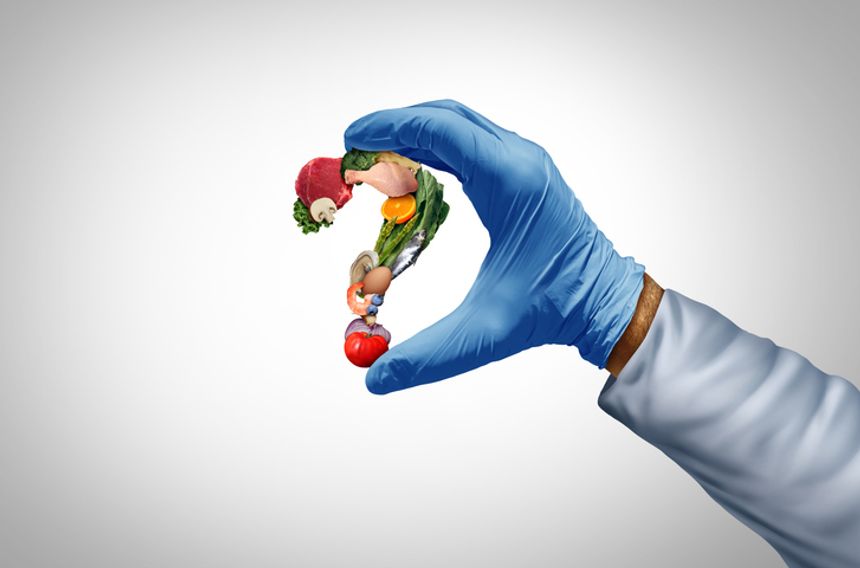

"Food safety culture": everyone in the food industry will have come across the term by now. Yet for many companies, it remains an elusive concept. What exactly is expected? And how does a company demonstrate that it is actively working on this?
Since the revision of the European Food Hygiene Regulation (EU 2021/382), food safety culture has been explicitly recognised. Food safety culture within a company is no longer a non-binding issue. It concerns the extent to which food safety is embedded in the daily behaviour of staff at all levels, from management to the work floor, and that people hold each other to account and encourage improvements. Regulatory authorities, including the NVWA, are attaching increasing importance to this during inspections and risk assessments. But how does this work in practice?
Practical tool: the free NVWA self-assessment tool for food safety culture
Good news: as a business, you don’t have to reinvent the wheel. The NVWA has recently developed a free self-assessment tool (in Dutch) that enables businesses to measure and monitor their own food safety culture.
And very importantly: the self-assessment is anonymous; the NVWA does not monitor it. The results remain entirely within your organisation. The self-assessment aids self-diagnosis: food businesses gain insight into the state of their food safety culture and where there is room for improvement. The self-assessment is accessible, requires no technical knowledge and is suitable for businesses of all sizes.
Our advice: use this self-assessment as a starting point, not an end point. The results can help your company set up or refine an internal improvement programme. It can also help to demonstrate the food safety practices to certification bodies. Furthermore, it shows the NVWA during inspections that your business is proactive. And here’s a tip: document your findings and ensure follow-up actions are taken. This demonstrates that you are actively contributing to the food safety culture within the company.
/Passle/64ee09bf0948529fbac8c1a7/MediaLibrary/Images/2026-06-29-12-27-18-418-6a4264a68e4e1e56ea2e4743.jpg)
/Passle/64ee09bf0948529fbac8c1a7/MediaLibrary/Images/2026-06-29-12-23-12-890-6a4263b0f851b6d02299c8be.jpg)
/Passle/64ee09bf0948529fbac8c1a7/MediaLibrary/Images/2026-06-29-12-20-28-220-6a42630c3027b621454bb99d.jpg)